
Notre équipe est composée de
professionnels impliqués
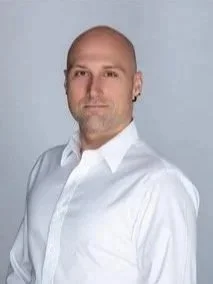
Christian Labrie, étudiant à la maîtrise
Auxiliaire de recherche
Christian Labrie, étudiante à la maîtrise
Auxiliaire de recherche
-
Christian Labrie est auxiliaire de recherche à la Chaire de recherche EROS. Il détient un baccalauréat en psychologie, un certificat en intervention psychosociale et une mineure en linguistique. Il poursuit actuellement une maitrise en sciences psychologiques appliquées, avec une spécialisation en ingénierie et facteurs humains. Ses intérêts de recherche portent principalement sur la psychologie cognitive et sociale, ainsi que sur l’application des technologies — notamment l’intelligence artificielle et l’interaction humain-machine — dans les domaines de l’ergonomie cognitive et de la sexologie.
-
Christian Labrie is a research assistant with the EROS Research Chair. He holds a bachelor’s degree in Psychology, a Certificate in Psychosocial Intervention, and a Minor in Linguistics. He is currently pursuing a master’s degree in Applied Psychological Science, with a specialization in Human Factors Engineering. His research interests focus primarily on cognitive and social psychology, as well as the application of technologies—including artificial intelligence and human–machine interaction—in the fields of cognitive ergonomics and sexology.
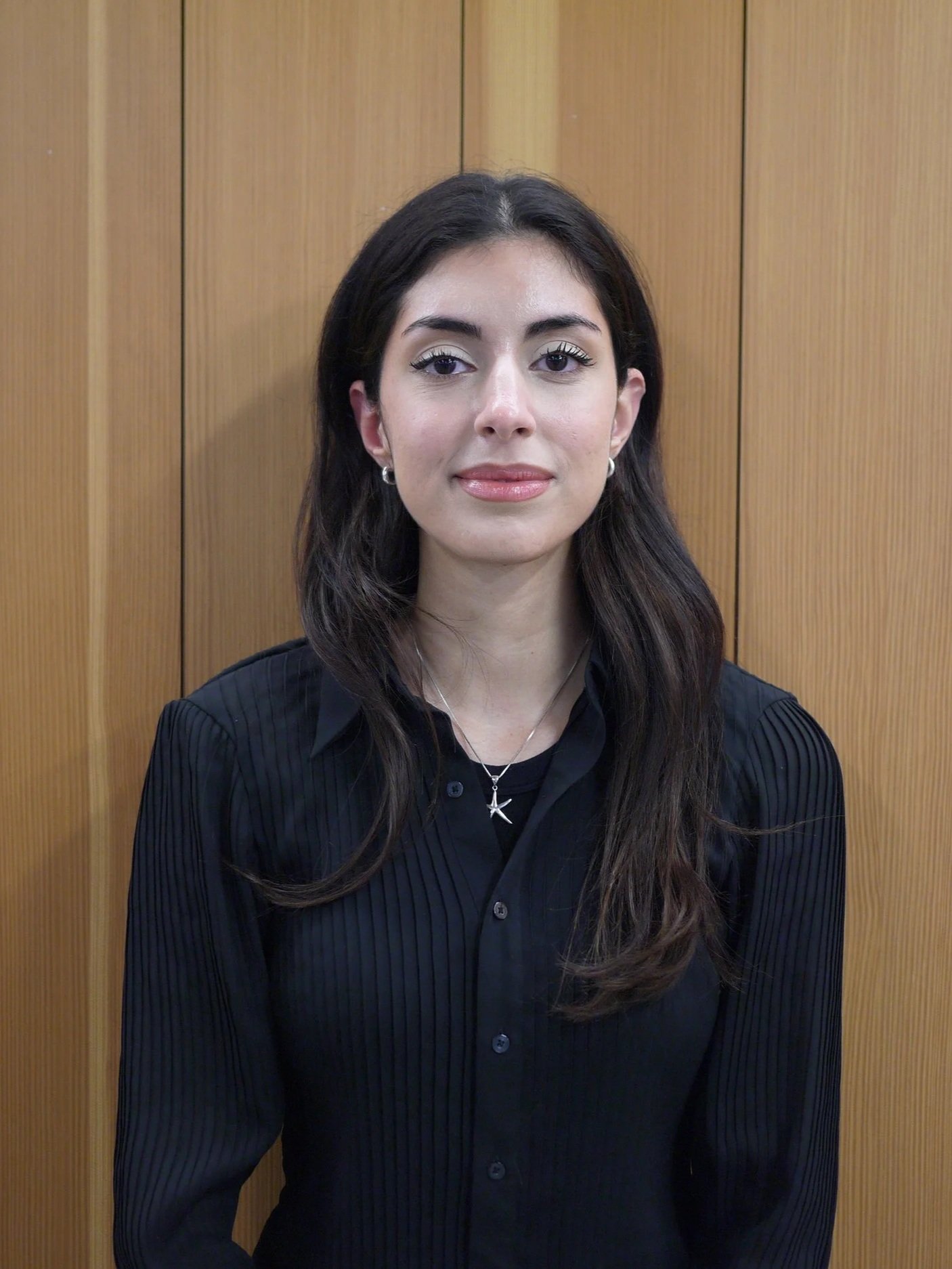
Darya Mirrazavi, étudiante à la maîtrise
Intervenante
-
Darya Mirrazavi complète actuellement une maîtrise ès sciences (M. Sc.) au sein du programme Women+ and Children’s Health de l’University of British Columbia. Elle travaille comme intervenante sur le site de Vancouver dans le cadre d’un projet de recherche dirigé par l’équipe EROS. Elle détient un baccalauréat ès sciences (B.Sc.) en biologie de l’Université de la Colombie-Britannique. Ses intérêts de recherche portent sur la santé sexuelle des femmes (notamment le vaginisme et le faible désir sexuel) ainsi que sur l’utilisation d’outils numériques pour soutenir les thérapies fondées sur les données probantes. Elle est également impliquée en prévention et en intervention en matière de violence fondée sur le genre à travers des rôles de longue date au sein d’organismes communautaires à but non lucratif.
-
Darya Mirrazavi is currently completing her MSc in the University of British Columbia’s Women+ and Children’s Health program. She is working as the interventionalist on the Vancouver site of a research project led by the EROS team. She holds a BSc in Biology from the University of British Columbia. Her research interests have centered on women’s sexual health (including vaginismus and low sexual desire) and the use of digital tools to augment evidence-based therapy. She is also involved in gender-based violence prevention and intervention through long-standing roles with community non-profits.
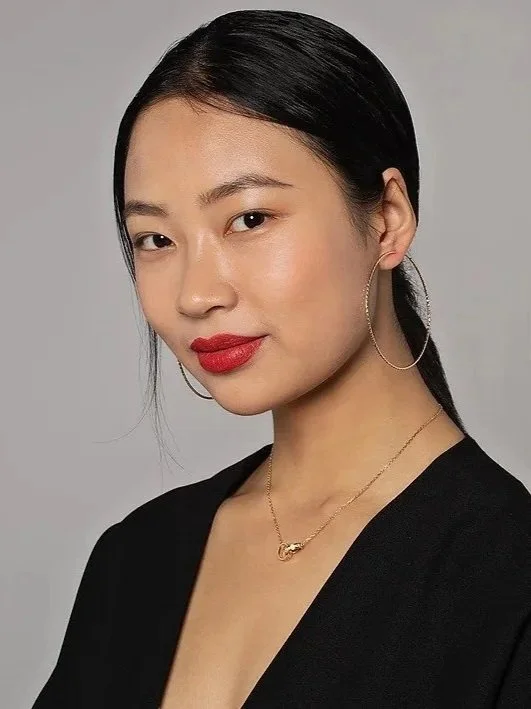
Ellfie Chen, étudiante au doctorat
Auxiliaire de recherche
-
Ellfie Chen (elle) est auxiliaire de recherche à la chaire EROS et détient un B.A. Honours en psychologie de l’Université Concordia. Elle s’intéresse à la santé sexuelle, à la violence sexuelle, aux dysfonctions sexuelles ainsi qu’au bien-être des individus et des couples. Ses intérêts de recherche soutiennent son implication dans nos projets portant sur le bien-être en lien avec la sexualité et la technologie (sextech).
-
Ellfie Chen (she/her) is a research assistant at the EROS Chair and holds a B.A. Honours in Psychology from Concordia University. She is interested in sexual health, sexual violence, sexual dysfunctions, as well as individual and couple well-being. Her research interests support her involvement in projects examining well-being in relation to sexuality and technology (sextech).
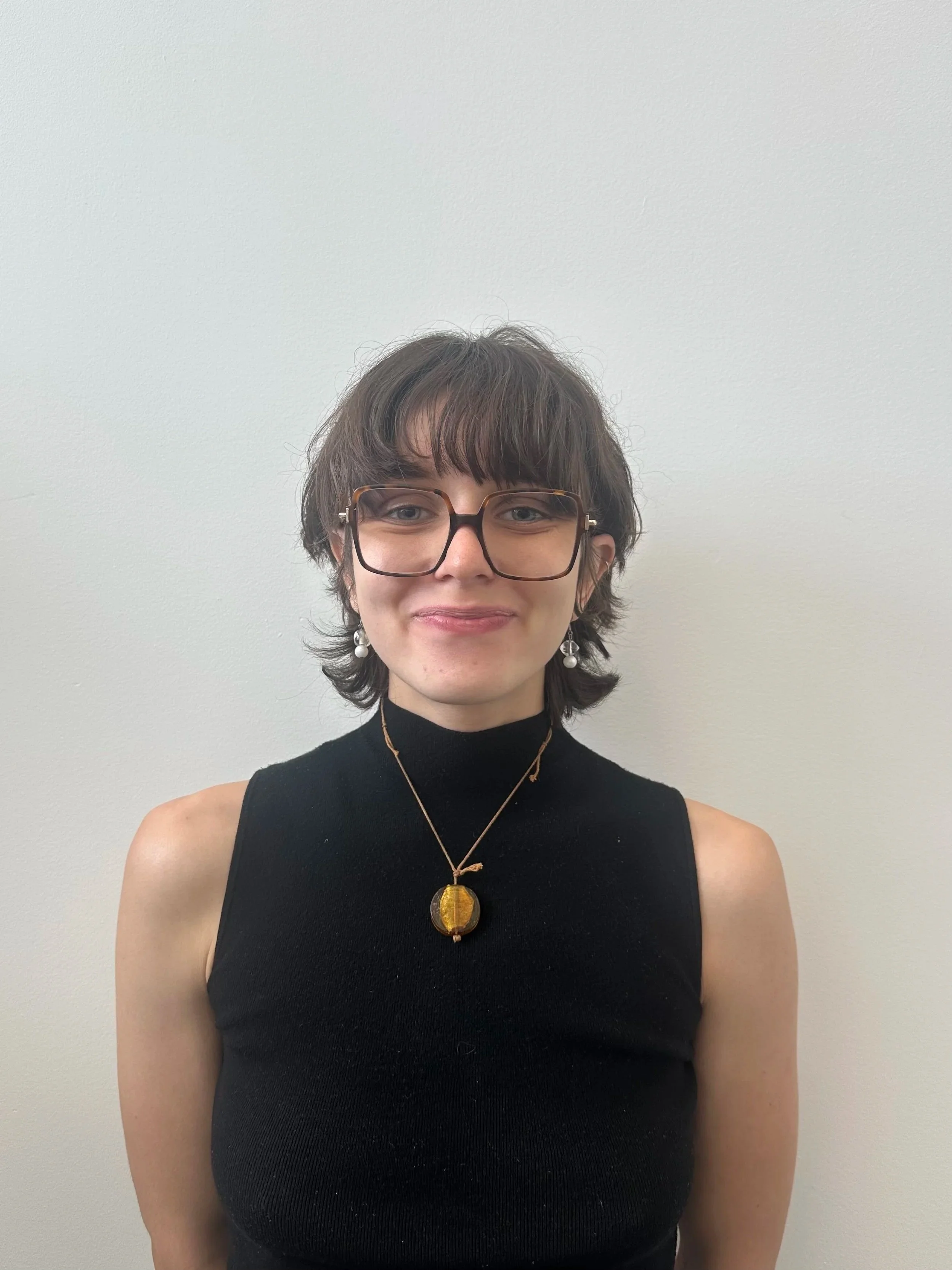
Ève Côté, étudiante au doctorat
Auxiliaire de recherche
-
Ève Côté (elle) est auxiliaire de recherche à la chaire EROS et étudiante au doctorat en psychologie (Ph.D./Psy.D.) à l’Université du Québec à Montréal (UQÀM). Elle détient un baccalauréat en psychologie (B. Sc Hons.) de l’UQÀM. Ses intérêts de recherche s’articulent autour du bien-être sexuel, de la promotion de la santé sexuelle, la violence entre partenaires intimes, ainsi que la psychologie du développement.
-
Ève Côté (she/her) is a research assistant at the EROS Research Chair and a doctoral student in psychology (Ph.D./Psy.D.) at the Université du Québec à Montréal (UQAM). She holds a Bachelor of Science with Honours (B.Sc. Hons.) in Psychology from UQAM. Her research interests include sexual well-being, sexual health promotion, intimate partner violence, and developmental psychology.
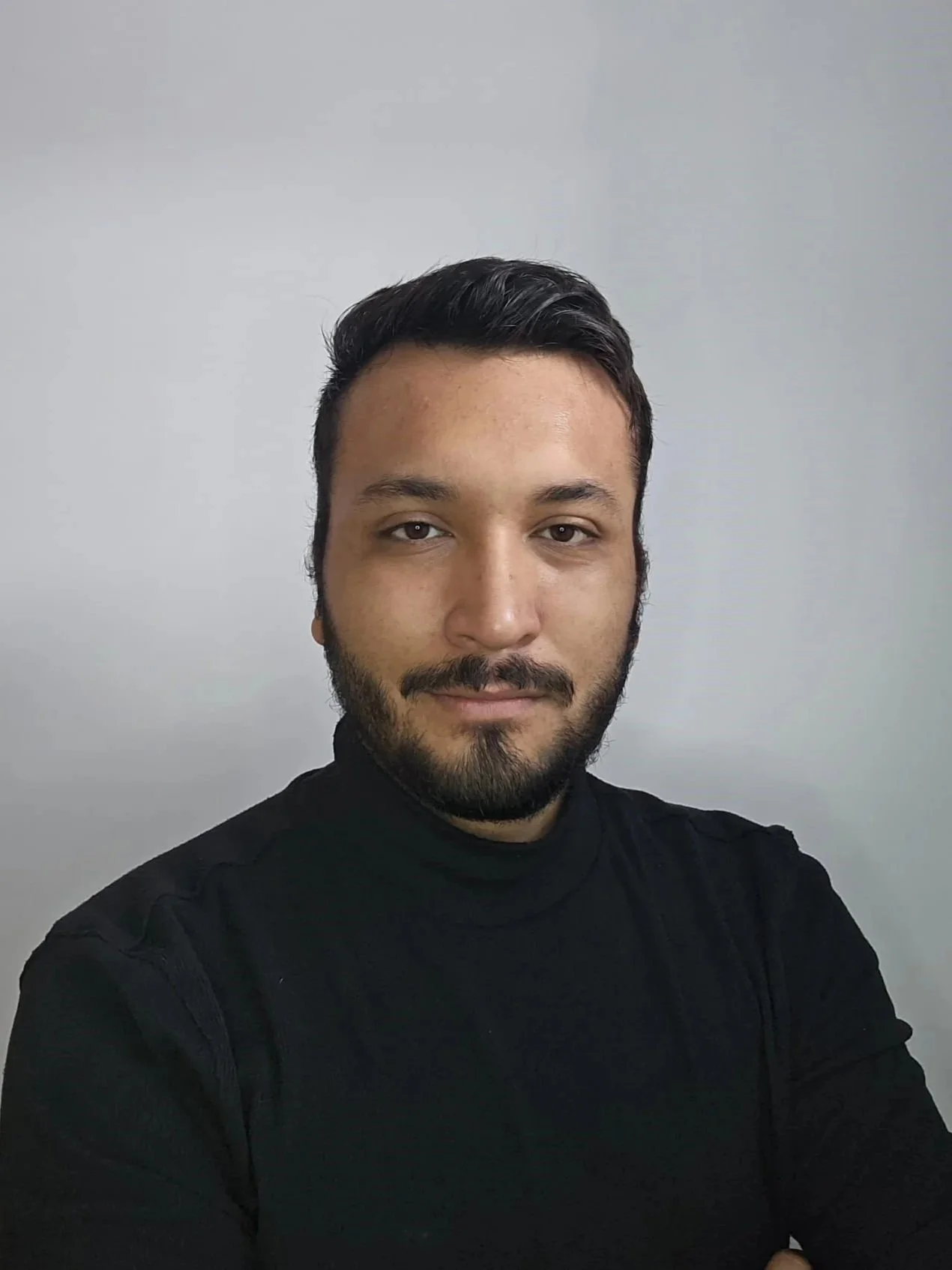
Franklin Calazana, étudiant au doctorat
Auxiliaire de recherche
-
Franklin Calazana (il) est étudiant au doctorat en psychologie et auxiliaire de recherche pour la chaire EROS. Ses travaux portent principalement sur les normes de masculinité et leur influence sur le bien-être, les dynamiques familiales et la sexualité des hommes. Ses contributions à la chaire consistent à avoir participé à des projets portant sur l’efficacité de la réalité virtuelle dans l’étude du trouble érectile ainsi que sur le développement d’une intervention assistée par intelligence artificielle destinée aux célibataires involontaires. Il accorde également une grande importance à la vulgarisation scientifique, ce qui l’a amené à rédiger des articles destinés au grand public sur l’anxiété sexuelle et les traitements du trouble érectile.
-
Franklin Calazana (he/him) is a doctoral student in psychology and a research assistant with the EROS Chair. His work primarily focuses on masculinity norms and their influence on men’s well-being, family dynamics, and sexuality. His contributions to the Chair include participating in projects examining the effectiveness of virtual reality in the study of erectile dysfunction, as well as the development of an artificial intelligence–assisted intervention for involuntarily single individuals. He also places great importance on science communication, which has led him to write articles for the general public on sexual anxiety and treatments for erectile dysfunction.
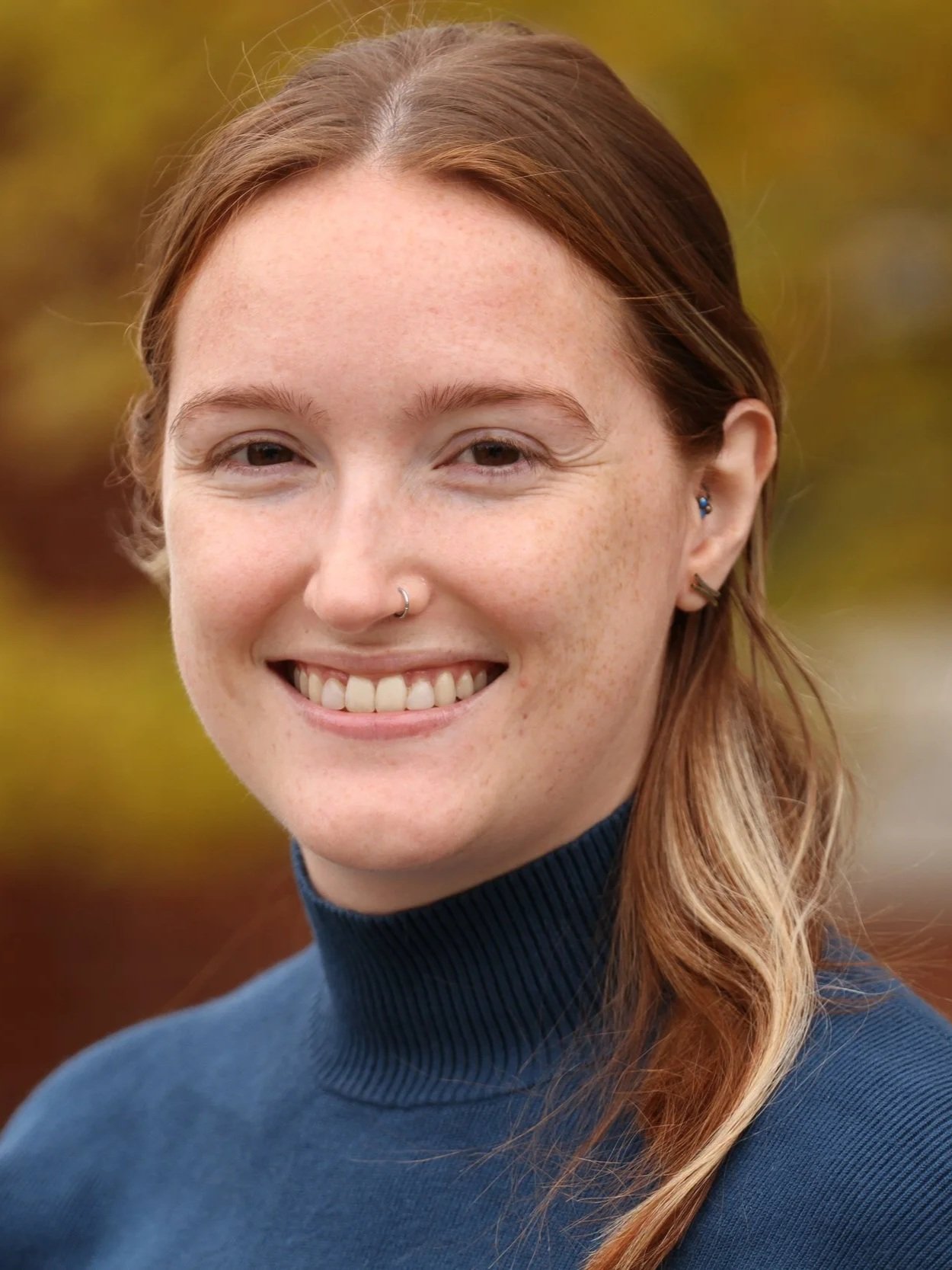
Madison Williams, étudiante au doctorat
Membre affiliée
-
Madison Williams (elle/iel) est étudiante de 3e cycle à l’Université du Nouveau-Brunswick (Fredericton) et est membre affiliée du laboratoire EROSS à l’UQAM depuis 2023. Ses recherches portent sur l’intersection entre la sexualité et la technologie (sextech), notamment sur les facteurs qui motivent ou découragent l’utilisation de la sextech, ainsi que sur ses liens avec le bien-être.
-
Madison Williams (she/they) is a doctoral student at the University of New Brunswick (Fredericton) and has been an affiliated member of the EROSS Laboratory at UQAM since 2023. Their research focuses on the intersection of sexuality and technology (sextech), particularly the factors that motivate or discourage sextech use, as well as its connections to well-being.
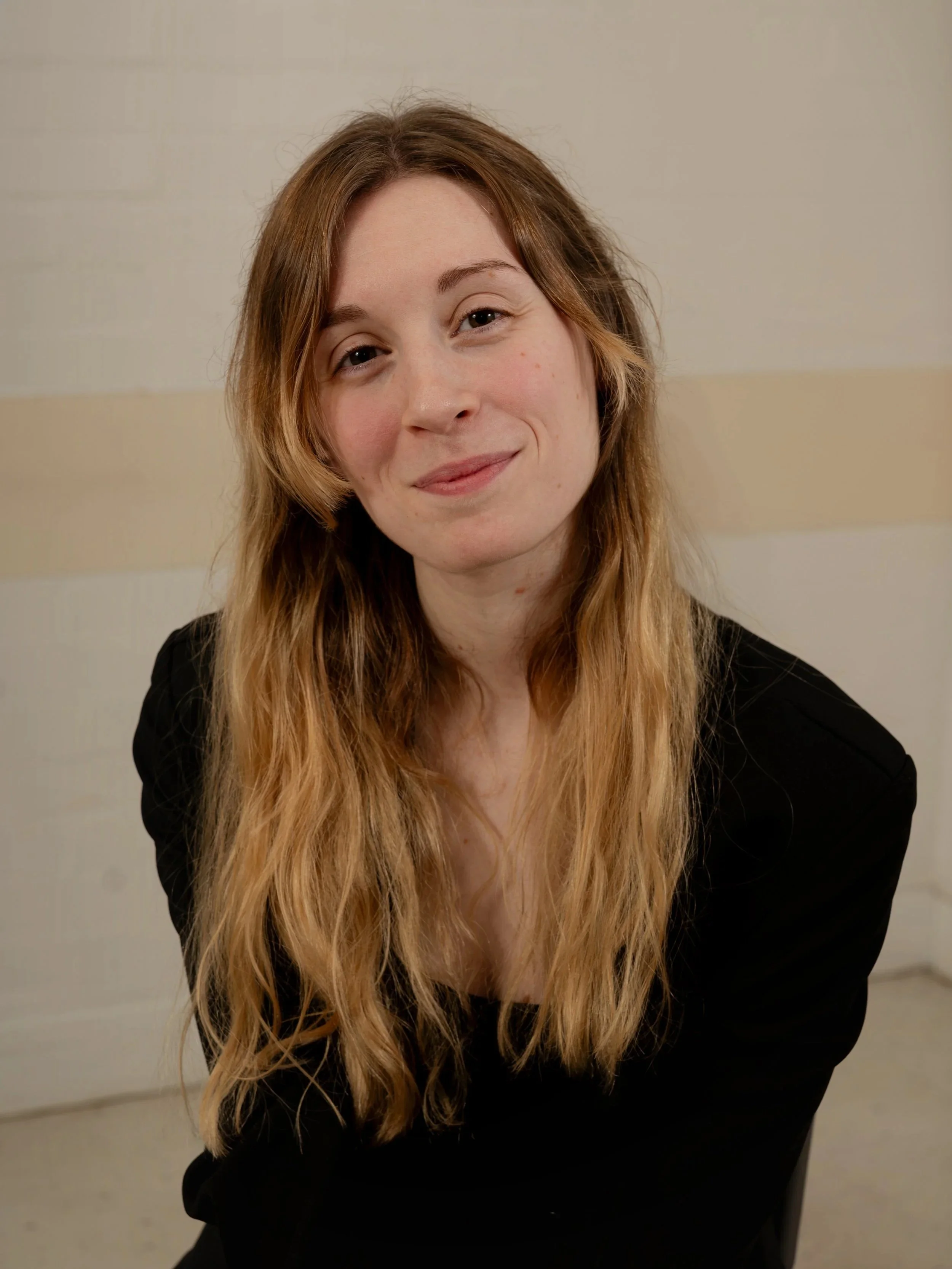
Valérie Lapointe, candidate au doctorat
Coordonnatrice de recherche
-
Valérie A. Lapointe (elle) est candidate au doctorat en psychologie et travaille au laboratoire EROSS depuis 2020 à titre d’auxiliaire de recherche et de coordinatrice. Ses travaux récents portent sur les implications de l’intelligence artificielle générative dans le domaine de la sexualité et des relations romantiques. Elle s’intéresse particulièrement aux impacts sociétaux des relations humains-IA et de la pornographie générée par l’IA, notamment aux enjeux de consentement et de confidentialité, aux attentes sexuelles normatives, ainsi qu’aux effets de ces technologies sur l’intimité humaine et le (dés)investissement relationnel. Valérie collabore également à divers projets du laboratoire portant sur l’utilisation de la réalité virtuelle pour évaluer et traiter les difficultés sexuelles.
-
Valérie A. Lapointe (she/her) is a doctoral candidate in psychology and has been working at the EROSS Laboratory since 2020 as a research assistant and coordinator. Her recent work focuses on the implications of generative artificial intelligence in the domains of sexuality and romantic relationships. She is particularly interested in the societal impacts of human–AI relationships and AI-generated pornography, including issues related to consent and privacy, normative sexual expectations, and the effects of these technologies on human intimacy and relational (dis)investment. Valérie also collaborates on various laboratory projects examining the use of virtual reality to assess and treat sexual difficulties.
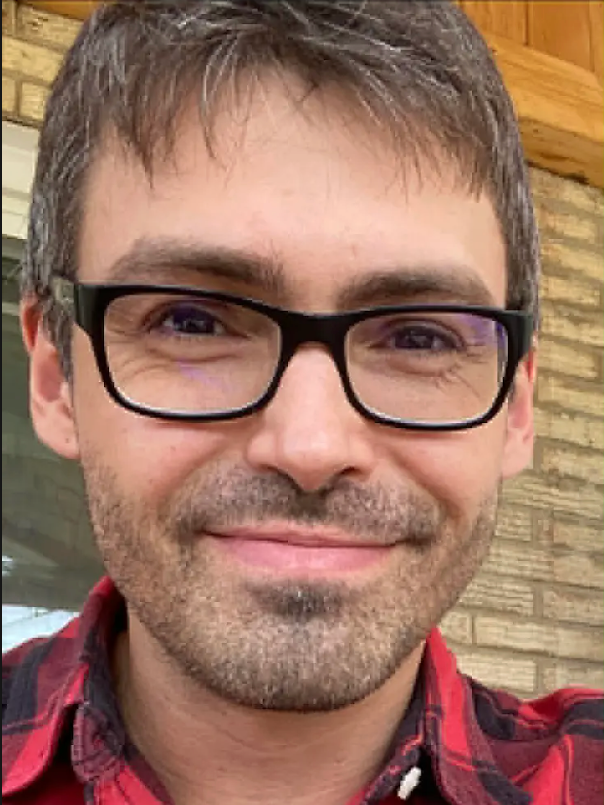
Maxime Toupin, étudiant au doctorat
-
Maxime Toupin (il/lui) est étudiant au doctorat en psychologie sous la direction de David Lafortune. Ses intérêts de recherche s’articulent autour du développement et de la validation d’outils psychométriques, la sexualité et santé sexuelle, le trouble de l’aversion sexuelle et les phénomènes d’évitement et d’anxiété en contexte sexuel. Dans ses recherches il mobilise des méthodologies mixtes ainsi que des analyses qualitatives et quantitatives avancées.
-
Maxime Toupin (he/him) is a doctoral student in psychology under the supervision of David Lafortune. His research interests center on the development and validation of psychometric instruments, sexuality and sexual health, sexual aversion disorder, and processes of avoidance and anxiety in sexual contexts. His research employs mixed methods designs as well as advanced qualitative and quantitative analyses.
Cloé Canivet, PhD
Agente de recherche
-
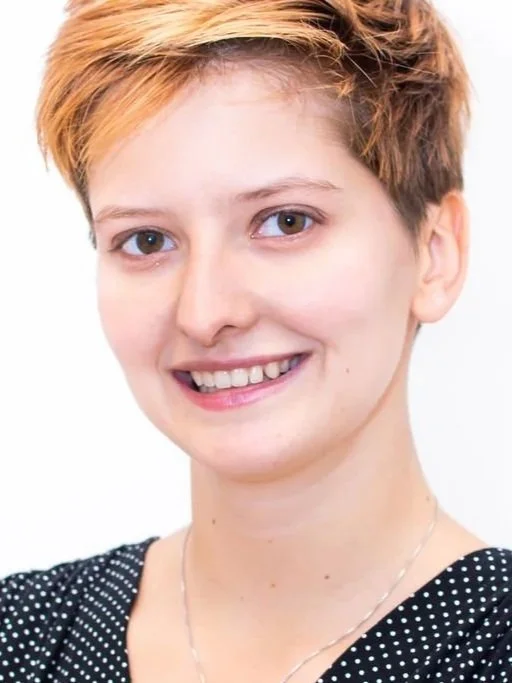
Cloé Canivet détient un baccalauréat en psychologie de l’Université du Connecticut ainsi qu’ une maîtrise et doctorat en sexologie de l’Université du Québec à Montréal (UQAM). Ses travaux portent sur les fantasmes sexuels et les processus imaginaires en lien avec les antécédents d’agressions sexuelles. Coordonnatrice et agente de recherche du laboratoire EROSS depuis sa conception en 2020, puis de la chaire EROS, elle a assuré la gestion et le développement de plusieurs projets de recherche, dont l’étude sur la réalité virtuelle appliquée à l’aversion sexuelle. Elle possède une expertise avancée en méthodologie de recherche, menant une thèse en méthodologie mixte et maîtrisant les approches quantitatives et qualitatives.
-
Cloé Canivet holds a bachelor’s degree in psychology from the University of Connecticut, as well as a master’s degree and a doctorate in sexology from the Université du Québec à Montréal (UQAM). Her research focuses on sexual fantasies and imaginative processes in relation to histories of sexual assault. As a coordinator and research assistant of the EROSS Laboratory since its inception in 2020, and subsequently of the EROS Research Chair, she has managed and contributed to the development of several research projects, including a study on the use of virtual reality for sexual aversion. She has advanced expertise in research methodology, having conducted a mixed-methods doctoral dissertation and developed extensive proficiency in both quantitative and qualitative approaches.
Regina-Maria Neppel, étudiante au baccalauréat
Auxiliaire de recherche
-
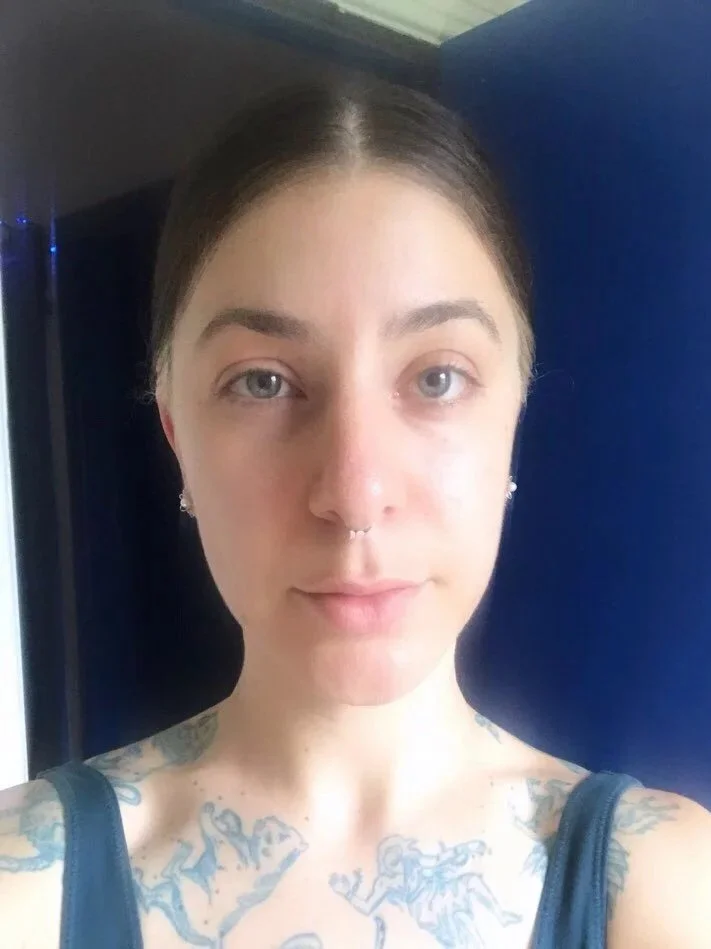
Regina-Maria Neppel (elle) est assistante de recherche pour la Chaire EROS et étudiante de premier cycle en psychologie. Elle s’intéresse à l’influence des normes injonctives dans la négociation de la vie intime, au rôle du soft power — en particulier de la culture de la beauté — dans la vie quotidienne, à l’éducation à la sexualité et au soutien des survivant•es de violences sexuelles dans un cadre thérapeutique visant à (ré)apprivoiser leur corporalité et leur sexualité. Elle a été bénévole au laboratoire YAAR de l’Université Concordia qui, sous la direction de la Dre Roisin O’Connor, étudie notamment les processus sociocognitifs et le rôle des normes injonctives dans les comportements de consommation problématique d’alcool chez les jeunes adultes.
-
Regina-Maria Neppel (she/her) is a research assistant with the EROS Research Chair and an undergraduate psychology student. Her interests include the influence of injunctive norms in the negotiation of intimate life, the role of soft power—particularly beauty culture—in everyday life, sexuality education, and supporting survivors of sexual violence within a therapeutic framework aimed at (re)developing comfort with their bodies and sexuality. She previously volunteered at Concordia University’s YAAR Lab which, under the supervision of Dr. Roisin O’Connor, focuses in part on sociocognitive processes and the role of injunctive norms in problematic alcohol consumption behaviors among young adults.
Simon Dubé, PhD, professeur associé
Coordonnateur et professionnel de recherche
David Lafortune, PhD, professeur agrégé Directeur de la Chaire ÉROS
-
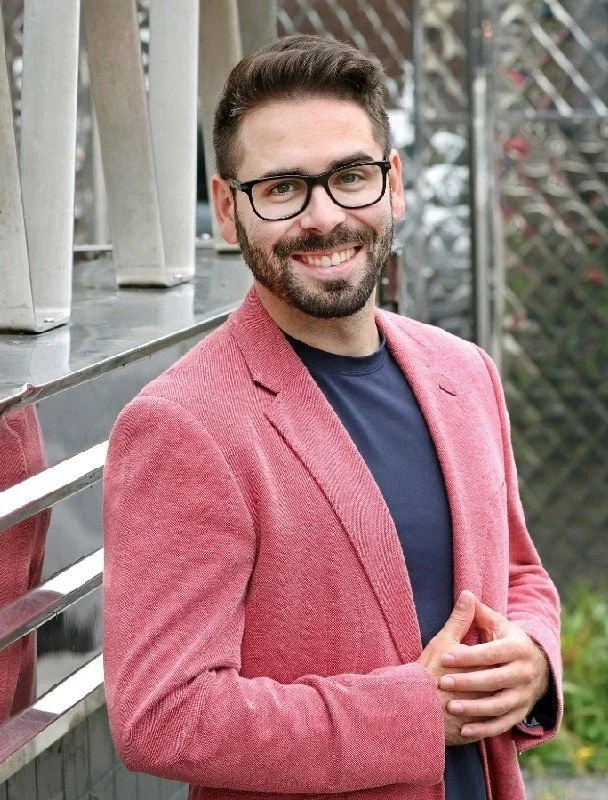
David Lafortune, PhD, est professeur agrégé au Département de sexologie de l'Université du Québec à Montréal et psychologue clinicien spécialisé dans le traitement des difficultés sexuelles. Il est titulaire de la Chaire de recherche UQAM d'Étude sur la Réalité virtuelle, les Outils sexotechnologiques et la Santé sexuelle (ÉROS) et chercheur régulier au Centre de Recherche Interdisciplinaire sur les Problèmes Conjugaux et les Agressions Sexuelles (CRIPCAS). Ses travaux portent sur l'innovation technologique en intervention sexologique, notamment l'usage thérapeutique de la réalité virtuelle, de l'intelligence artificielle et des jouets sexuels connectés pour traiter les difficultés sexorelationnelles (p. ex., aversion sexuelle, trouble érectile, anxiété de performance, célibat involontaire). Il s'intéresse également aux impacts sociaux, psychologiques et développementaux des agents conversationnels romantiques et de la pornographie générée par intelligence artificielle.
-
David Lafortune, Ph.D., is an Associate Professor in the Department of Sexology at the Université du Québec à Montréal (UQAM) and a clinical psychologist specializing in the treatment of sexual difficulties. He holds the UQAM Research Chair for the study of virtual reality, sexotechnological tools, and sexual health (EROS) and is a regular researcher at the Interdisciplinary Research Centre on Intimate Relationship Problems and Sexual Abuse (CRIPCAS). His research focuses on technological innovation in sexological interventions, particularly the therapeutic use of virtual reality, artificial intelligence, and connected sex toys to address sexual and relational difficulties (e.g., sexual aversion, erectile dysfunction, performance anxiety, and involuntary singlehood). He is also interested in the social, psychological, and developmental impacts of romantic conversational agents and AI-generated pornography.
-
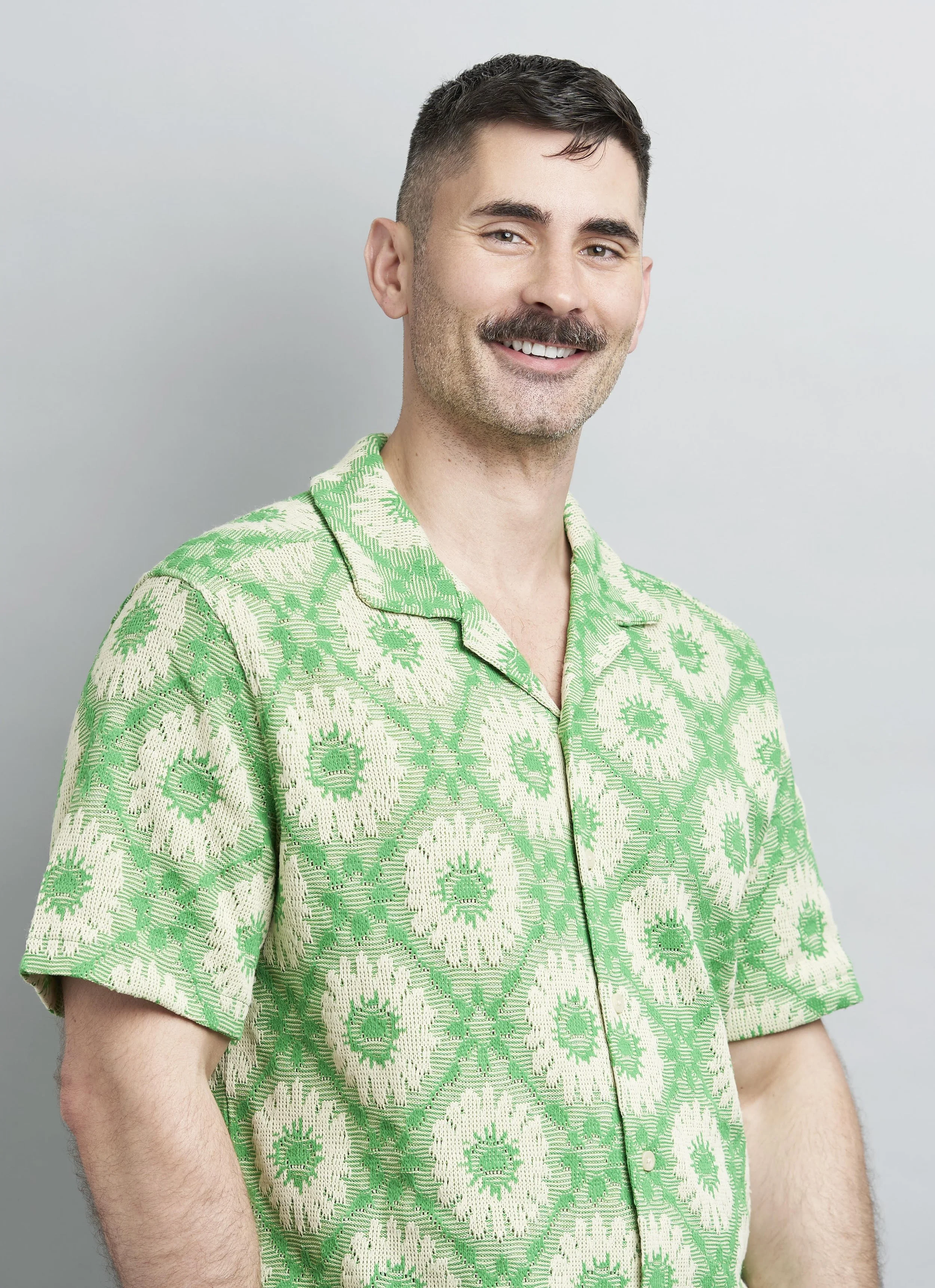
Dr Simon Dubé est chercheur au Kinsey Institute et professeur associé au Département de sexologie de l’Université du Québec à Montréal. Il est chercheur en psychologie spécialisé en sexualité humaine ainsi que dans l’interaction et la coévolution humain-machine. Ses travaux portent également sur l’intimité et la sexualité dans l’espace et les environnements extrêmes, notamment sur les effets de ces environnements sur la santé mentale et sexuelle. Il a contribué à plus de 39 articles, 70+ présentations scientifiques ainsi qu’à l’obtention de près d’un million de dollars en bourses et en financement de recherche. Ses travaux ont fait l’objet de plus de 100 apparitions et reportages médiatiques, rejoignant des millions de personnes, y compris dans The New York Times, Scientific American, Discovery, The Economist, Découverte, CBC/Radio-Canada, Playboy, National Geographic et The Daily Show.
-
Dr. Simon Dubé is a Research Fellow at the Kinsey Institute and an Affiliate Professor in the Department of Sexology at the Université du Québec à Montréal. He is a research psychologist specializing in human sexuality and human-machine erotic interaction and co-evolution. His work also examines intimacy and sexuality in space and other extreme environments, including how these environments affect mental and sexual health. He has contributed to more than 39 peer-reviewed publications, 70+ conference presentations, and nearly $1 million in awards and research funding. His work have received coverage through more than 100 media appearances and features, reaching millions of people, including The New York Times, Scientific American, Discovery, The Economist, Découverte, CBC/Radio-Canada, Playboy, National Geographic, and The Daily Show.
Ariane Hébert, étudiante au baccalauréat
Thèse de spécialisation
-
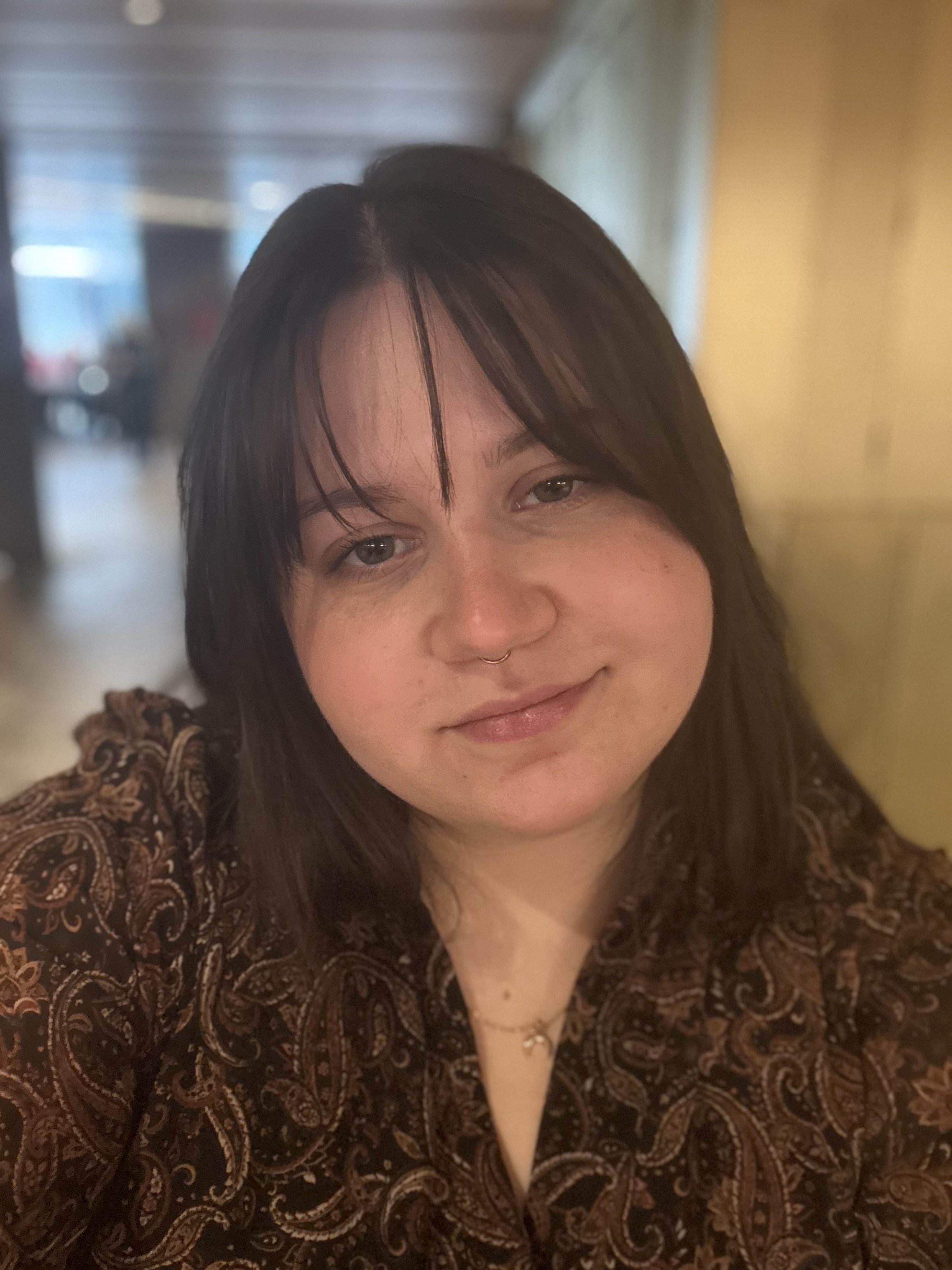
Ariane Hébert (elle) est étudiante au baccalauréat en sexologie à l’UQAM. Elle travaille actuellement sur sa thèse de spécialisation chapeautée par David Lafortune. Son objectif est de poursuivre à la maîtrise recherche-intervention en sexologie après l’obtention du baccalauréat. Ses intérêts de recherche portent sur la diversité des érotismes, les liens entre la technologie et la sexualité humaine, le bien-être sexuel et la diversité de genre.
-
Ariane Hébert (she/her) is an undergraduate student in Sexology at the Université du Québec à Montréal (UQAM). She is currently completing her undergraduate honours thesis under the supervision of David Lafortune. Following her bachelor’s degree, she plans to pursue a master’s degree in Sexology, with a research and intervention concentration. Her research interests include erotic diversity, the intersections between technology and human sexuality, sexual well-being, and gender diversity.
Tyler Brosseau, BA
Auxiliaire de recherche
-
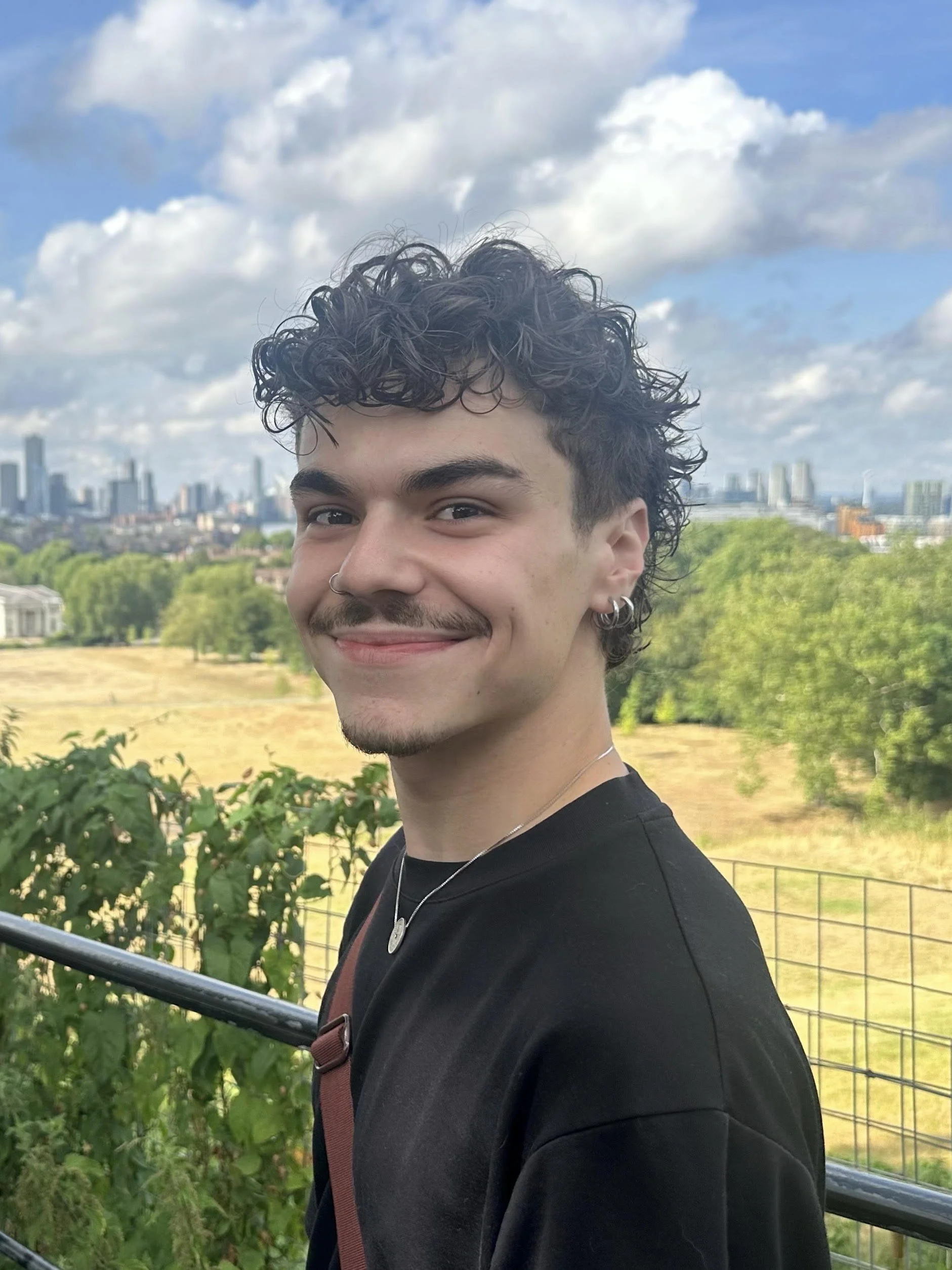
Tyler Brosseau (il) détient un baccalauréat en psychologie de l’Université McGill et est auxiliaire de recherche à la chaire EROS. Ses intérêts de recherche portent sur les relations intimes avec l’intelligence artificielle, notamment sur la façon dont les relations avec les compagnons IA se forment et se développent, ainsi que leurs effets sur la santé mentale et les comportements relationnels hors ligne.
-
Tyler Brosseau (he/him) holds a bachelor’s degree in psychology from McGill University and is a research assistant at the EROS Research Chair. His research interests focus on intimate relationships with artificial intelligence, particularly how relationships with AI companions form and develop, as well as their effects on mental health and offline relationship behaviors.
Salomë McCann-St-Pierre
Étudiante à la maîtrise
-
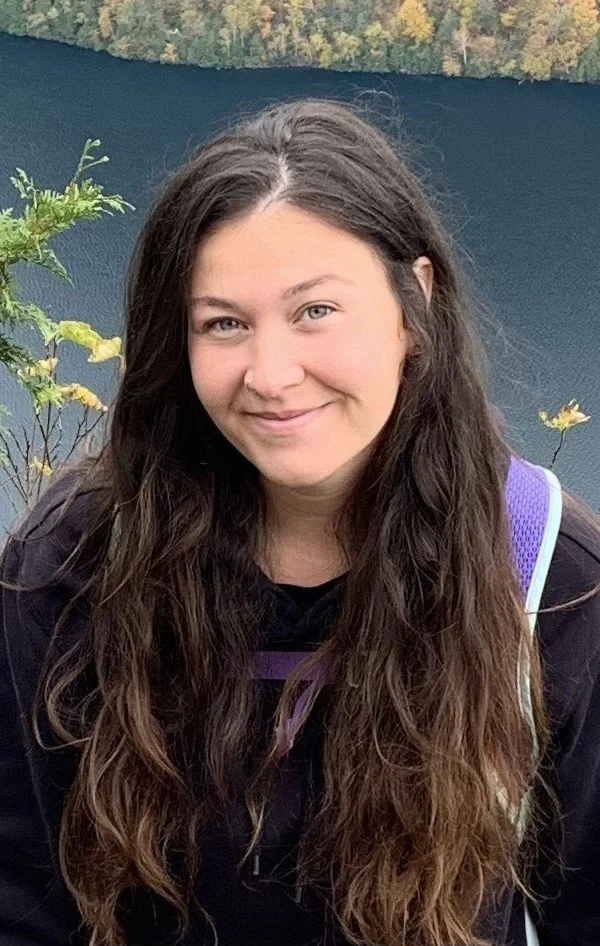
Salomë McCann-St-Pierre (elle) est étudiante à la maîtrise recherche-intervention en sexologie à l’Université du Québec à Montréal (UQAM). Elle travaille actuellement sur son mémoire de maîtrise dirigé par David Lafortune et portant sur le lien entre la catastrophisation et le dégoût sexuel. Ses intérêts de recherche portent, entre autres, sur les émotions en contexte sexuel et leur effet sur le bien-être général. Elle a complété un baccalauréat en psychologie ainsi qu'un certificat en intervention en sexualité à l'Université de Montréal. Elle travaille également en intervention dans différents milieu communautaire dont auprès d'une clientèle ayant des enjeux en rapport avec la sexualité et le rapport au corps.
-
Salomë McCann-St-Pierre (she/her) is a master’s student in the research-intervention stream in sexology at the Université du Québec à Montréal (UQAM). She is currently completing her master’s thesis under the supervision of David Lafortune, examining the relationship between catastrophizing and sexual disgust. Her research interests include emotions in sexual contexts and their effects on overall well-being. She holds a bachelor’s degree in psychology and a certificate in sexuality intervention from the Université de Montréal. She also works in various community settings, providing support to individuals experiencing issues related to sexuality and body image.
Noémie Viens, PhD
Stagiaire postdoctorale
-
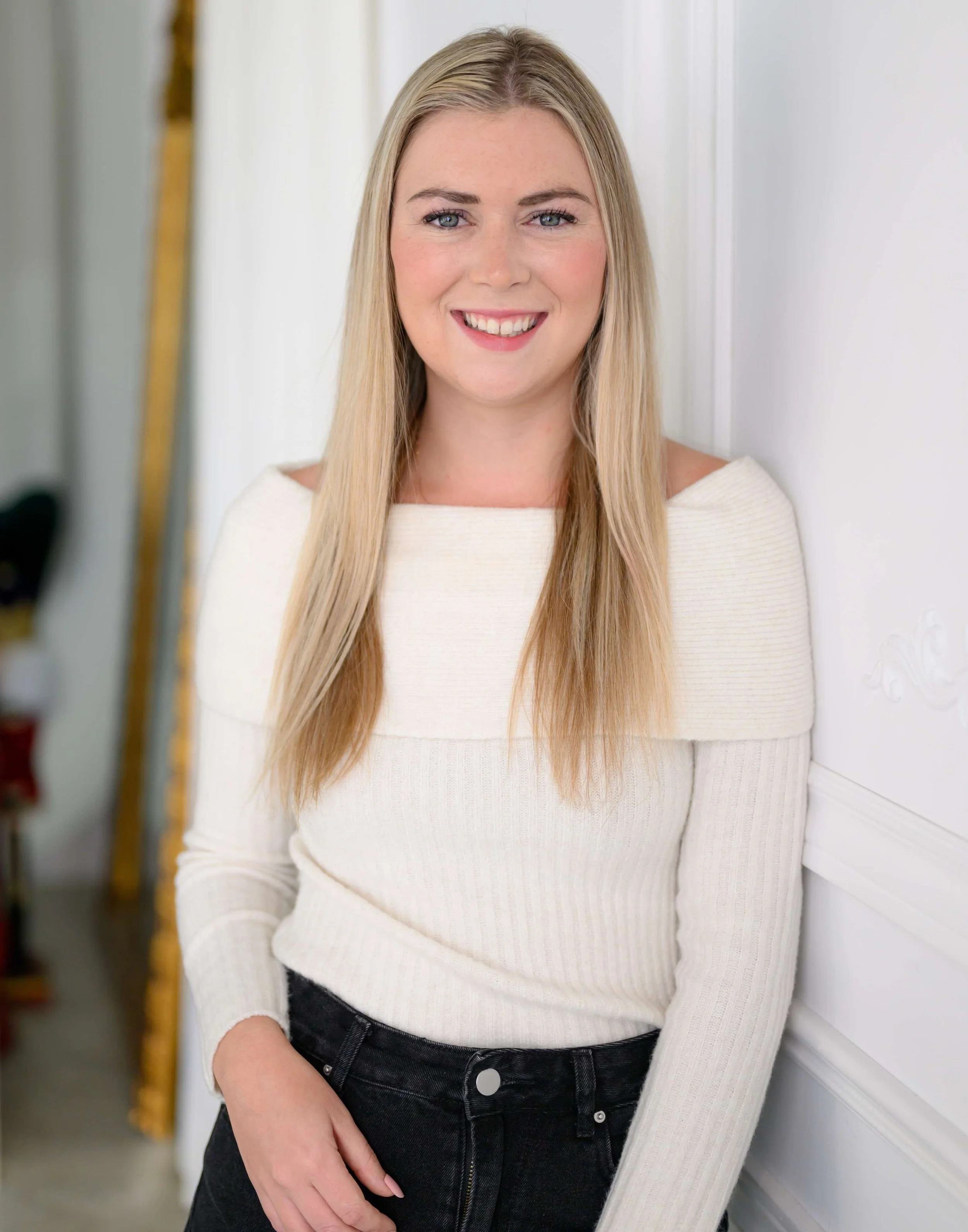
Noémie détient un doctorat en psychologie clinique (Ph. D.) de l’Université du Québec à Trois-Rivières. Elle est psychologue au sein du service de santé mentale adulte de première ligne de la Montérégie-Centre. Depuis octobre 2026, elle est également stagiaire postdoctorale au sein du laboratoire EROS, dirigé par David Lafortune (Ph.D.). Ses intérêts de recherche portent sur la manière dont les difficultés de santé mentale peuvent affecter la vie conjugale et sexuelle des individus et des couples. Elle accorde également une grande importance à la mobilisation et à la vulgarisation des connaissances, dans lesquelles elle a développé une solide expertise.
-
Noémie holds a Ph.D. in clinical psychology from the Université du Québec à Trois-Rivières. She practices as a psychologist for the first-line adult mental health service in the Montérégie-Centre region. Since October 2026, she is also a postdoctoral fellow at the EROS laboratory, led by Dr. David Lafortune. Her research interests focus on how mental health challenges can affect the relational and sexual lives of individuals and couples. She also places great importance on knowledge dissemination and translation, areas in which she has developed a strong expertise.